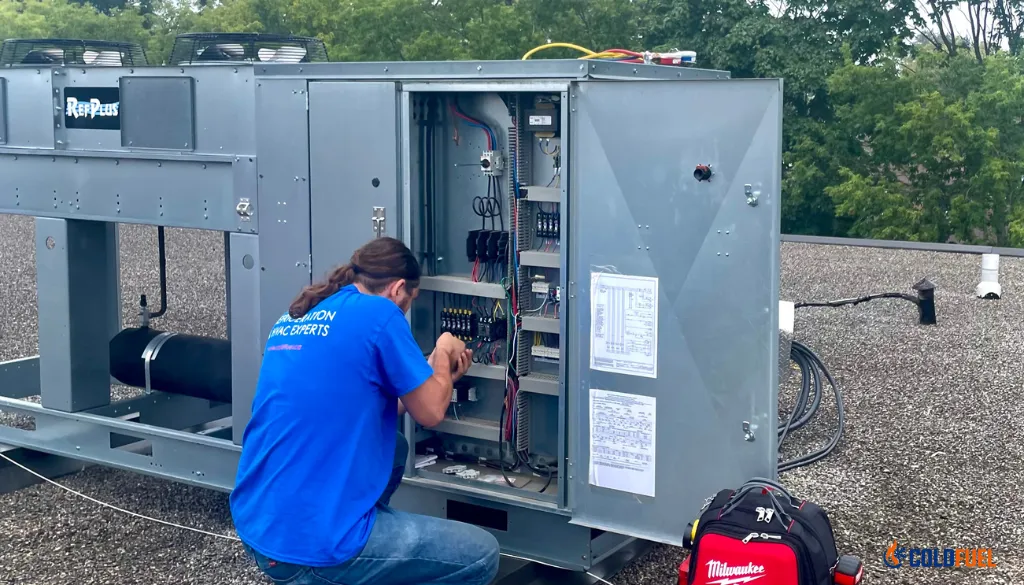




Building Monitoring Systems Toronto

For grocery stores, restaurants and cold storage sites in Toronto and the GTA, Cold Fuel installs remote monitoring that sends temperature, door and power alarms to your phone. Our refrigeration technicians set every limit, and a 24/7 line covers repairs.

  • Alarm Limits Set by Refrigeration Technicians
  • Text, Email and Phone Call Alerts
  • Temperature History Kept for Every Unit

Proactive Equipment Monitoring for Toronto Commercial Properties

Remote monitoring uses sensors on refrigeration and HVAC equipment and reports their readings over the internet or a cellular connection. A box temperature that climbs, a door left open or a power failure triggers an alarm by text, email or phone call. Our technicians install the sensors, set the alarm limits and delays for each unit, and connect the system to the people who need to hear about a problem. Unlike security alarm systems, it watches the equipment rather than intruders, and one company can install the monitoring and service the equipment it watches.

  • Sensors on each unit: temperature, door, power and equipment status where needed.
  • Limits and delays: based on each unit’s set point, defrost and recovery time.
  • Alert routing: first contact, backup contact and after-hours contact for every site.
  • Temperature history: readings stored so trends can be reviewed later.

An Alarm Only Helps If Someone Acts on It

Alarm monitoring is set up around your people: the store manager first, a second contact if nobody responds, and an after-hours number for nights and weekends. If the fault needs hands on the equipment, phone our 24/7 number for a refrigeration or HVAC technician, who can be on site the same day in many cases.

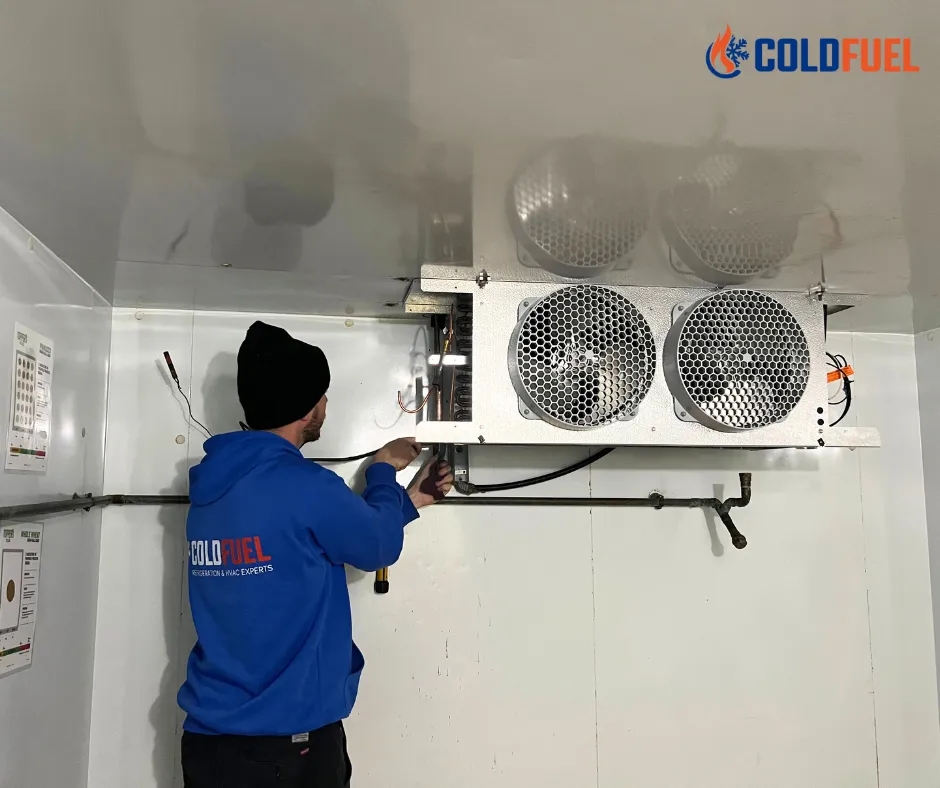
Sensors go in without shutting the equipment down. We install during quiet hours, test the alarms before handover, and can check sensor batteries and the contact list during later maintenance visits.

team
Since 2010 Top Rated Mechanical Services

4.9 (72)

Trusted by 500+ businesses across Ontario

Same-Day HVAC Service Licensed & Insured EPA-608 • NATE-Certified Residential & Commercial

Refrigeration and HVAC Alarm Coverage

Monitoring works best on equipment that someone already maintains. Each card below shows what we watch on that type of unit.

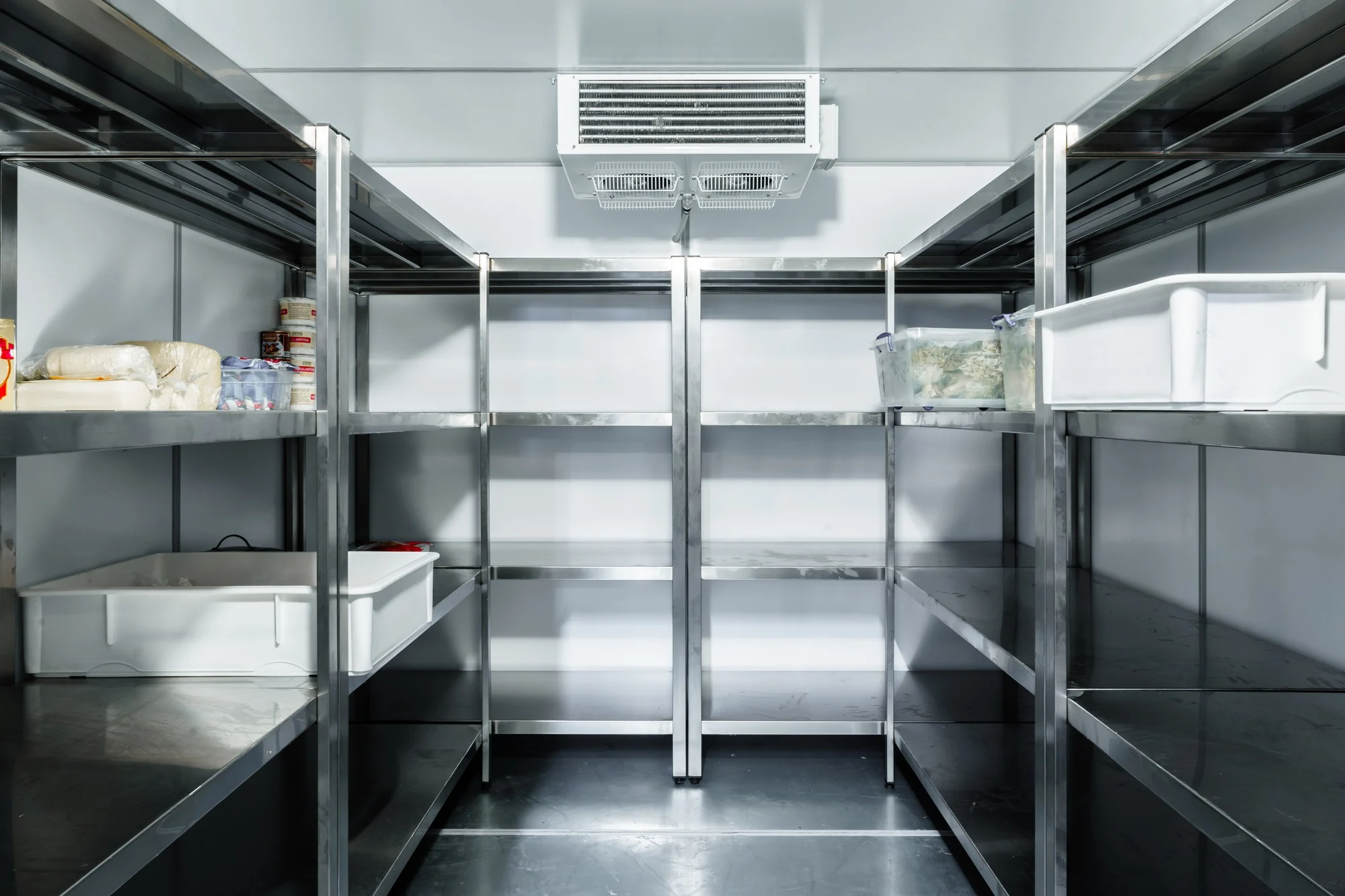
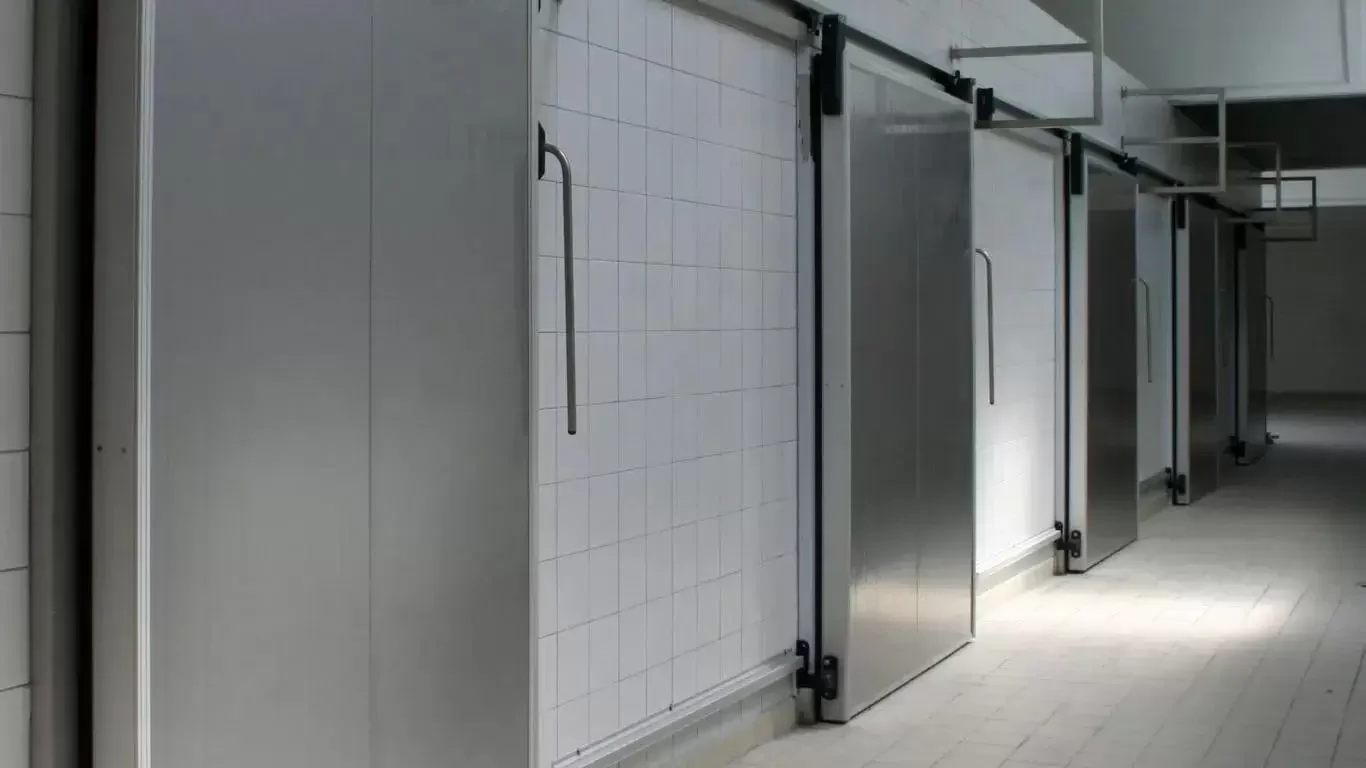
Walk-In Freezer

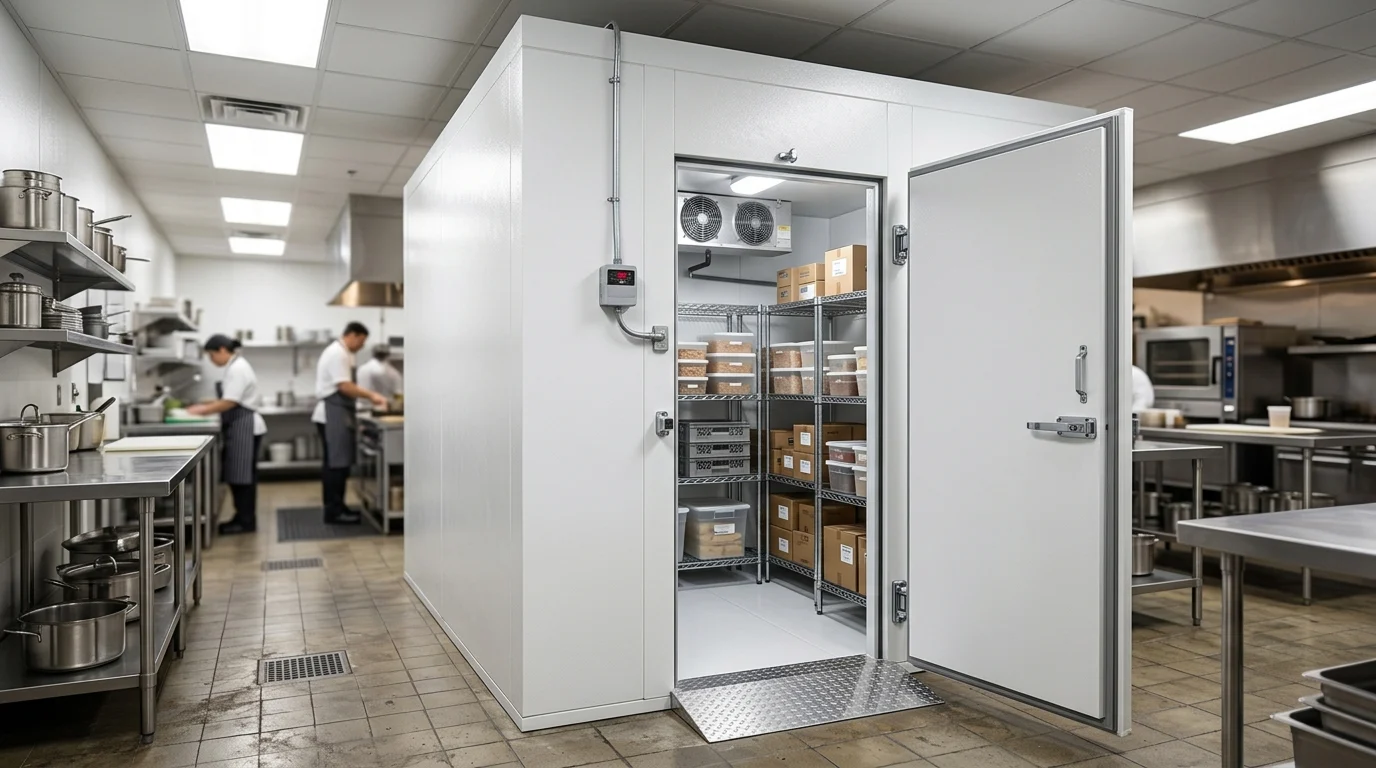
Box temperature, door and defrost alarms on every walk-in freezer.
Walk-In Freezer
Repair Installation Maintenance

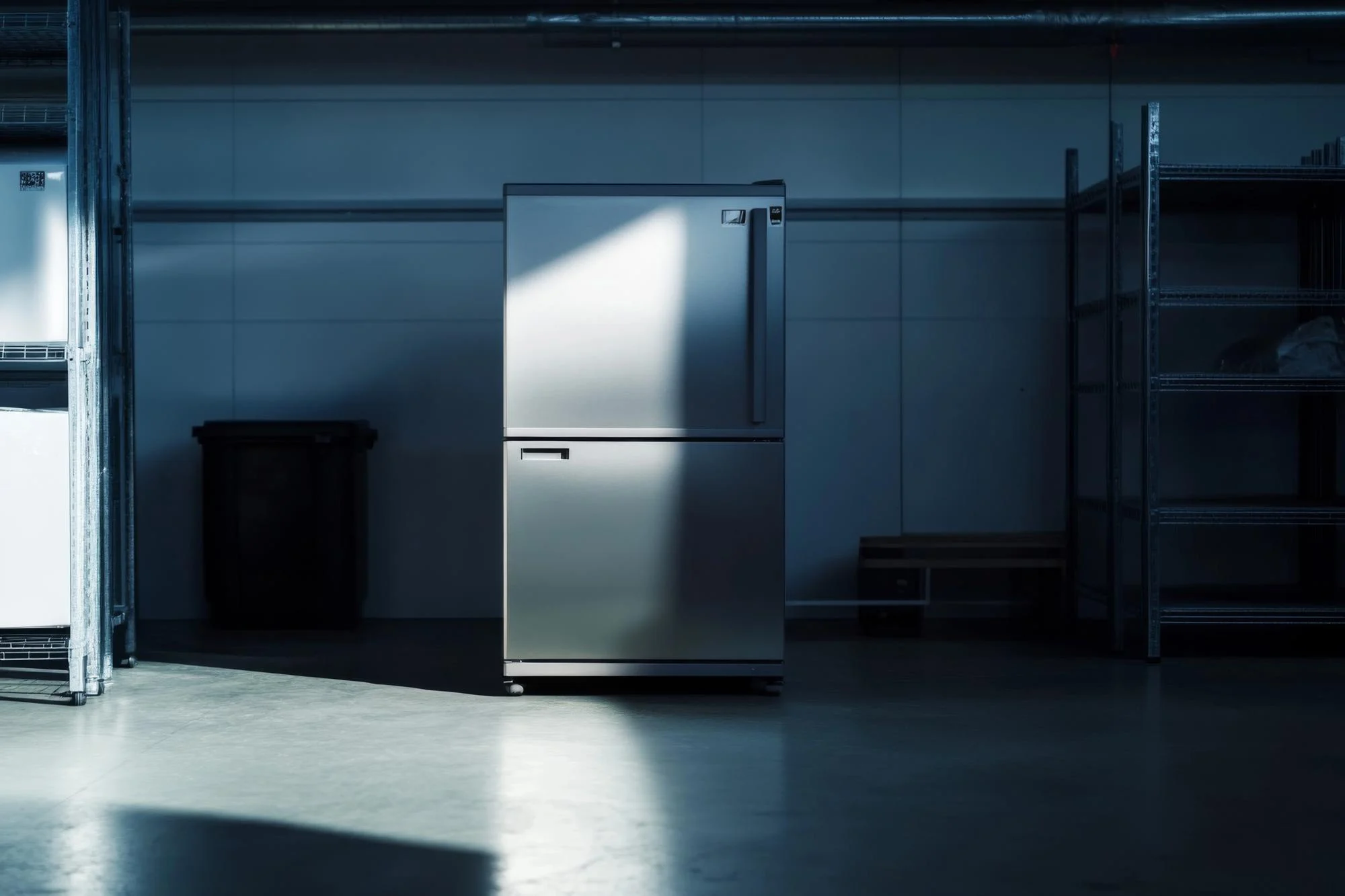
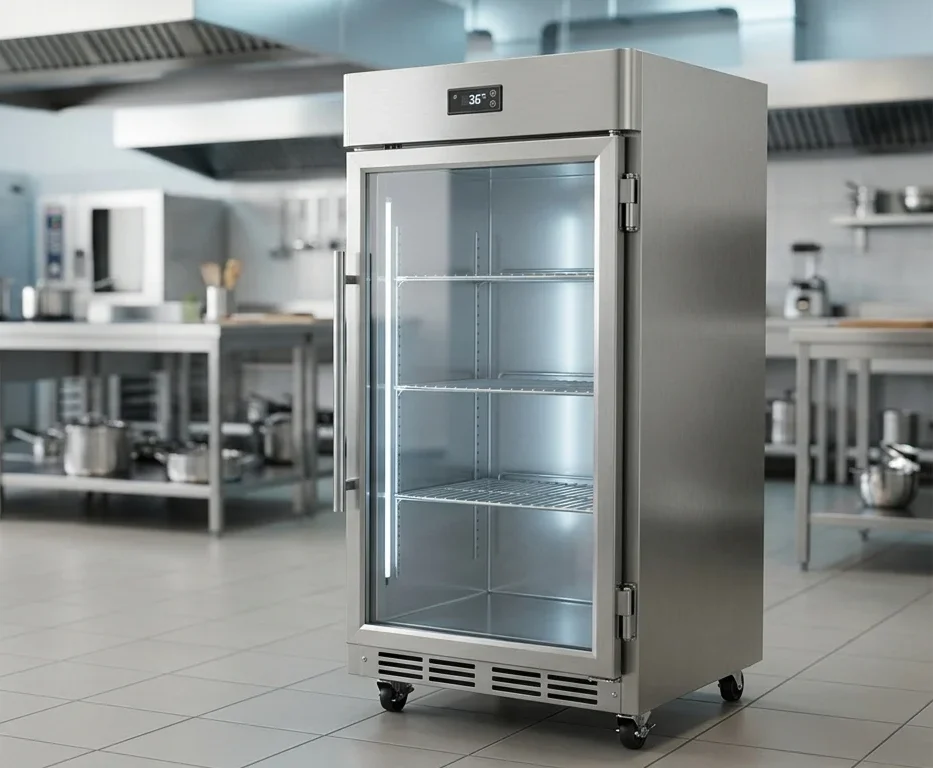
Commercial Fridge

Reach-in and prep table sensors that log cabinet temperature.
Commercial Fridge
Repair Installation Maintenance

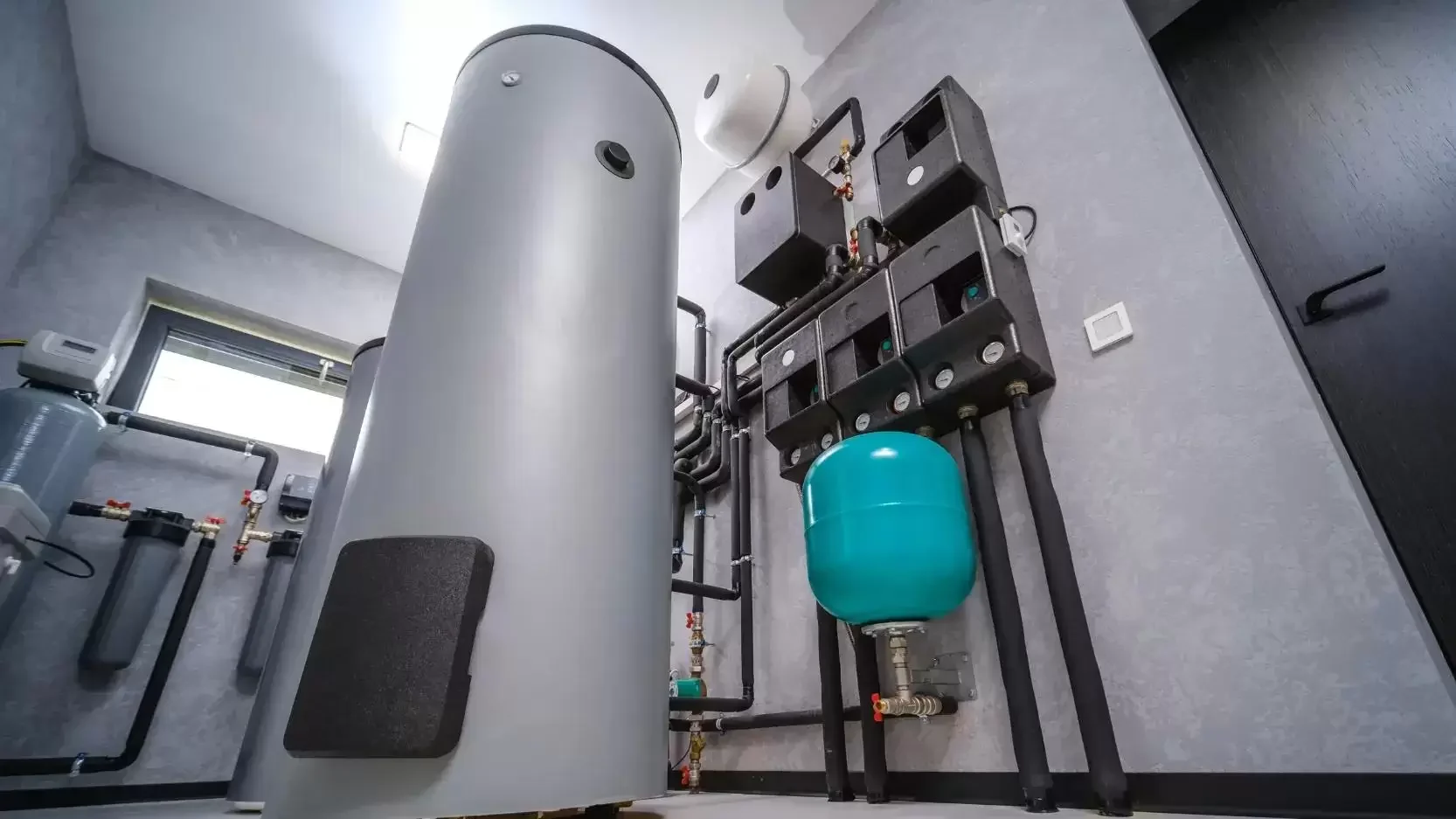
Commercial Heating

Low space temperature alarms when heating equipment stops overnight.
Commercial Heating
Repair Installation Maintenance

Commercial Cooling

Supply air and space sensors on split and packaged cooling systems.
Commercial Cooling
Repair Installation Maintenance

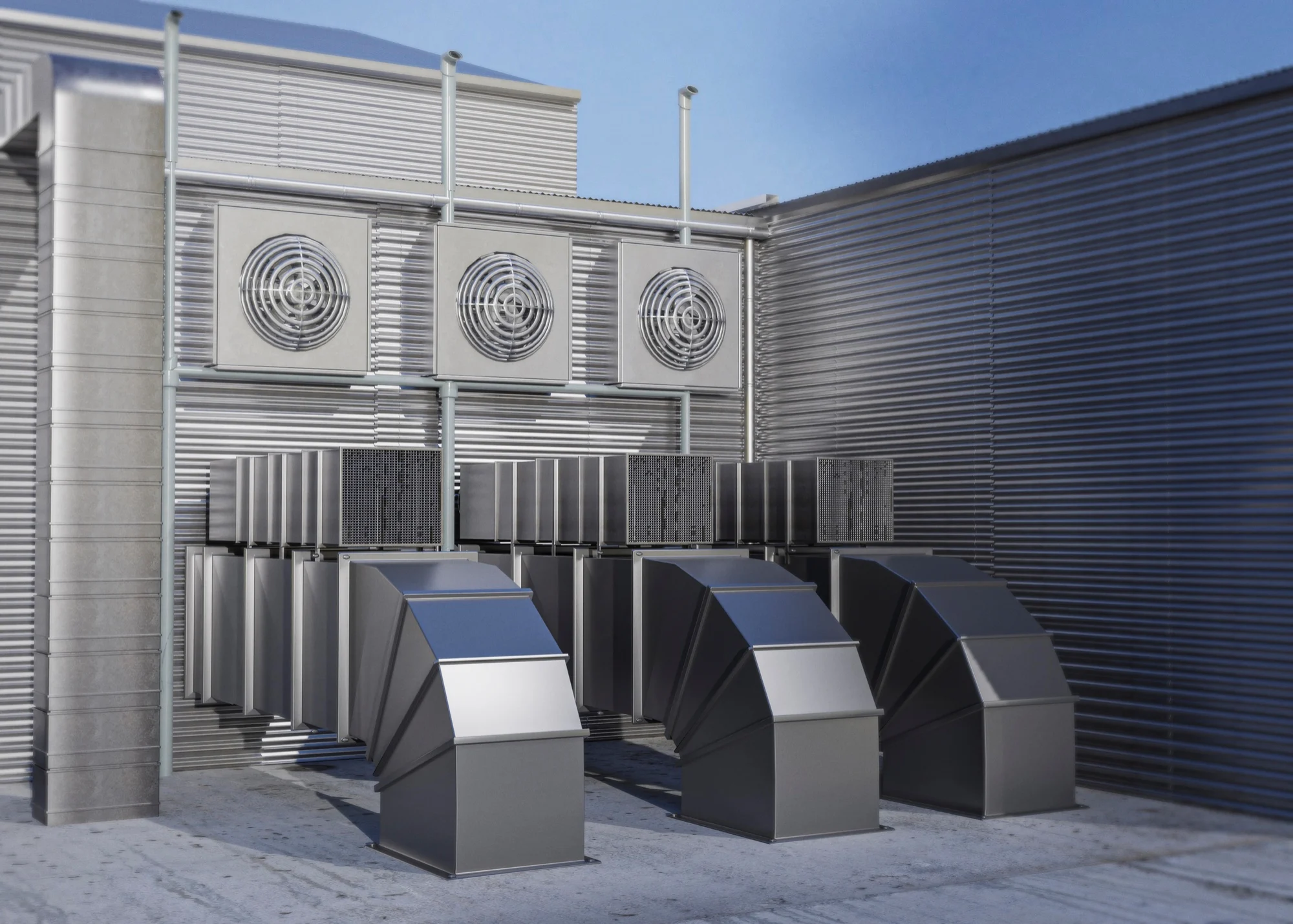
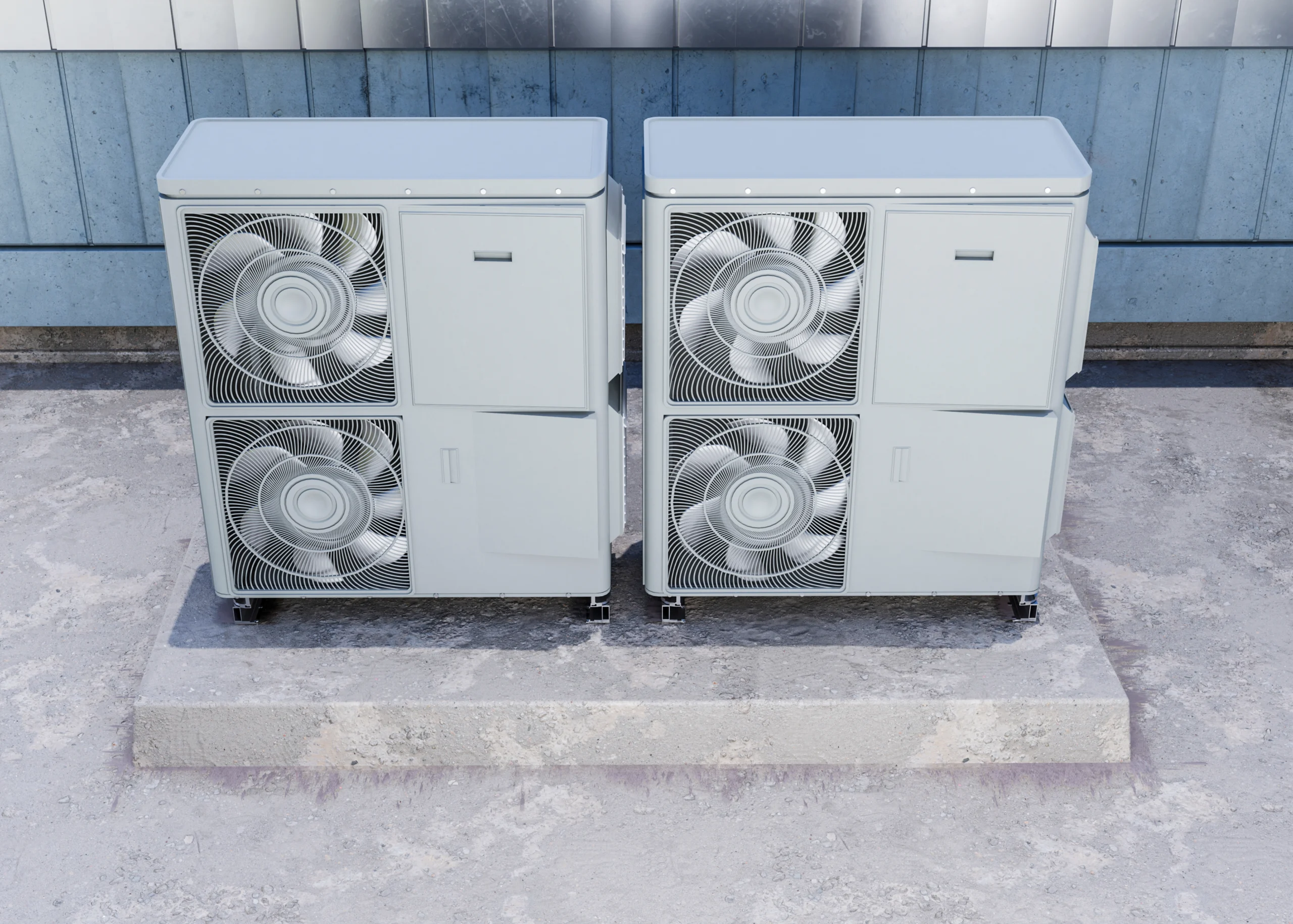
Rooftop AC Unit

Rooftop units monitored for run status and supply air temperature.
Rooftop AC Unit
Repair Installation Maintenance

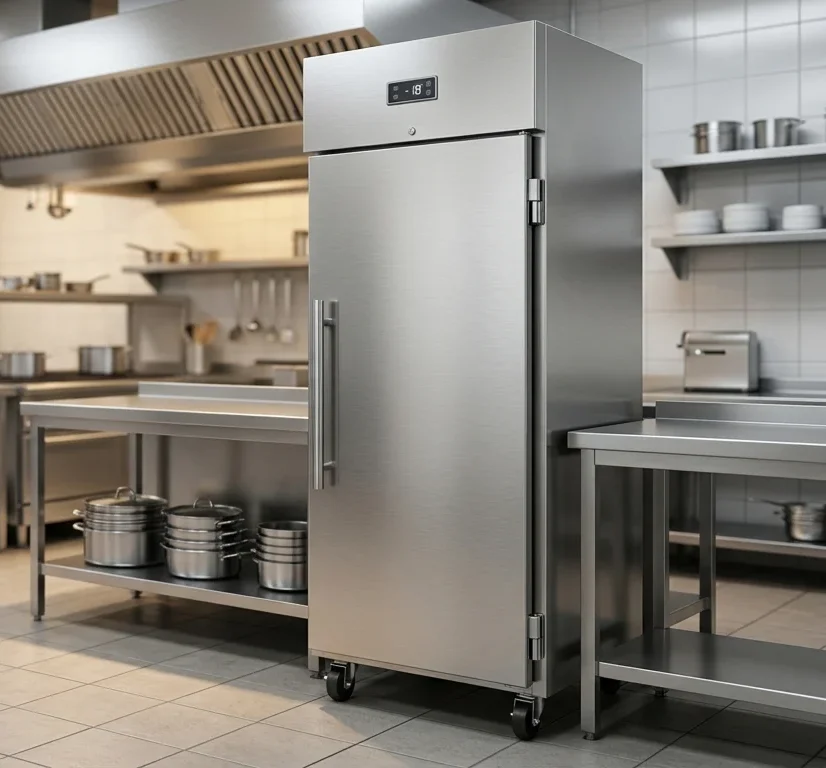
Commercial Freezer

Upright freezers and chest units alarmed for high temperature and power loss.
Commercial Freezer
Repair Installation Maintenance

True Refrigeration, Atosa, Silver King, Randell, QBD, Omcan, Nella, Master-Bilt, Manitowoc, Kelvinator, Ice-O-Matic, Hoshizaki, Habco, Beverage-Air, Arctic Air, KeepRite, Copeland and Trenton. Our technicians also service the rooftop and cooling equipment in the same buildings, so one company handles both the refrigeration and the HVAC on your site.

What We Monitor in Toronto Buildings

Not every reading needs an alarm. These are the points we monitor most often in commercial buildings, chosen because a fault there costs a business the most.

Rooftop Units and Make-Up Air Units

Run status and supply air temperature show whether a rooftop unit is actually heating or cooling. A low space temperature alarm catches a failed heat section on a winter night.

Trusted Monitoring From a Repair Contractor

An alarm limit that ignores defrost cycles sends calls nobody needs. Our setups draw on 15+ years of servicing walk-ins, display cases and rooftop units around Toronto.

Expertise & Experience

Alarm limits set by technicians who repair walk-ins, cases and rooftop units.

Tailored Solutions

Sensor placement and alarm delays chosen for each unit and each site.

Rapid Response Support

24/7 line when an alarm needs a technician on site.

Fewer False Alarms With Technician-Set Limits

A high-temperature alarm with no delay goes off during every defrost cycle, and staff soon learn to ignore it. We base each limit on the unit’s set point and make each delay longer than its defrost and recovery time, so an alarm means the unit needs attention.

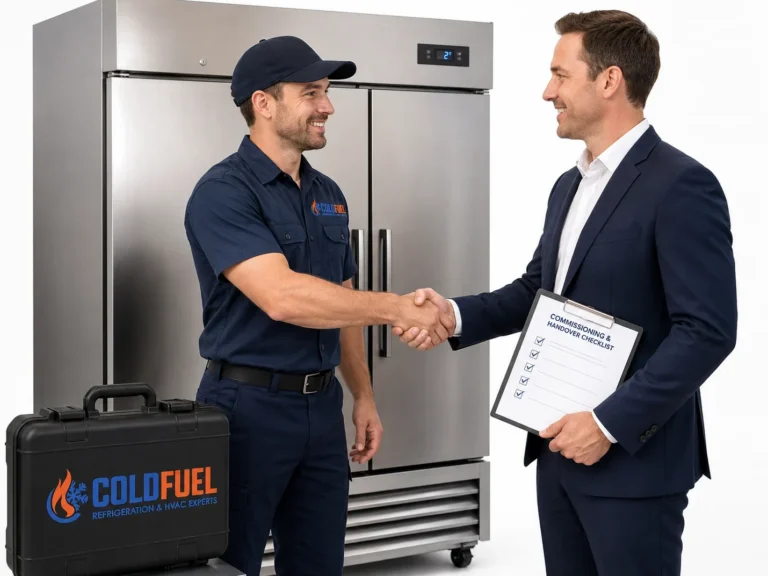
At handover we trigger every alarm on purpose: a door held open, a sensor warmed past its limit, power cut to the gateway. We check that the alerts reach the contacts on the list before the system goes live.

01
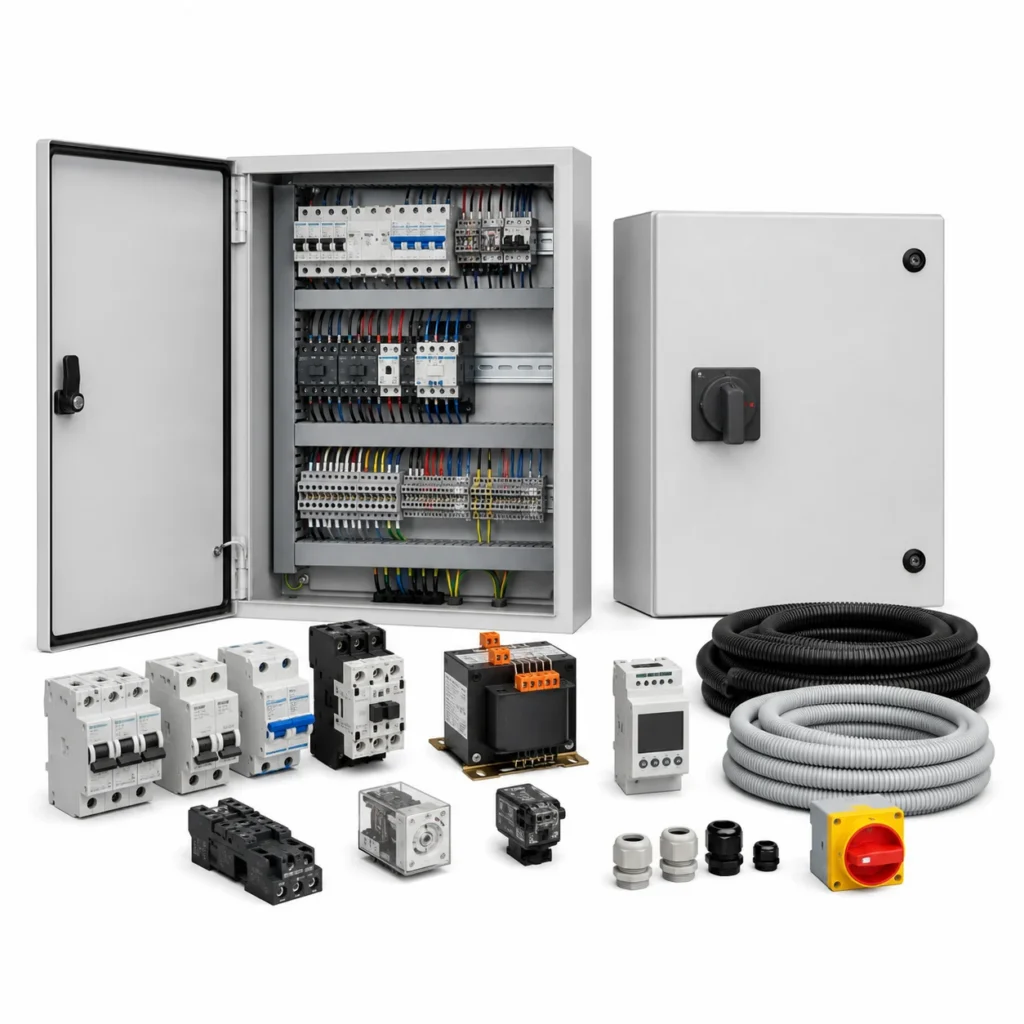
Electrical panel, breakers and wiring components

Wireless Sensors

Battery-powered sensors placed for an accurate reading of each unit.

02
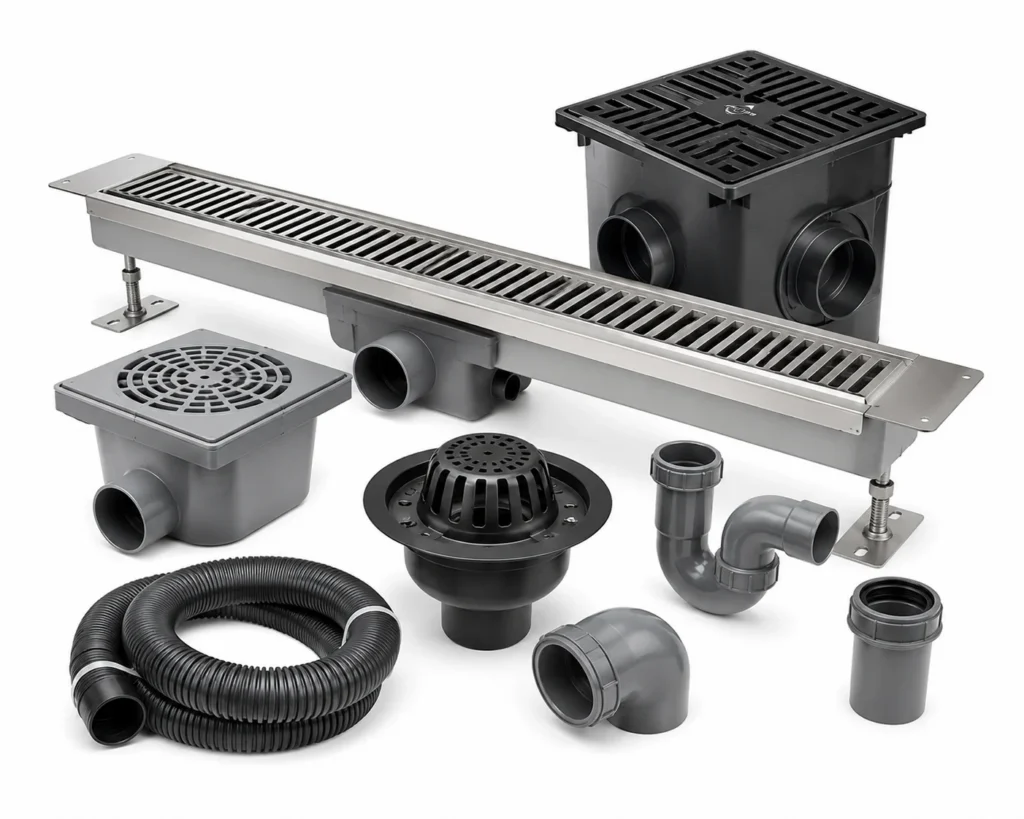
Floor drains and drainage piping components

Gateway

Collects the sensor readings and sends them over cellular or internet.

03
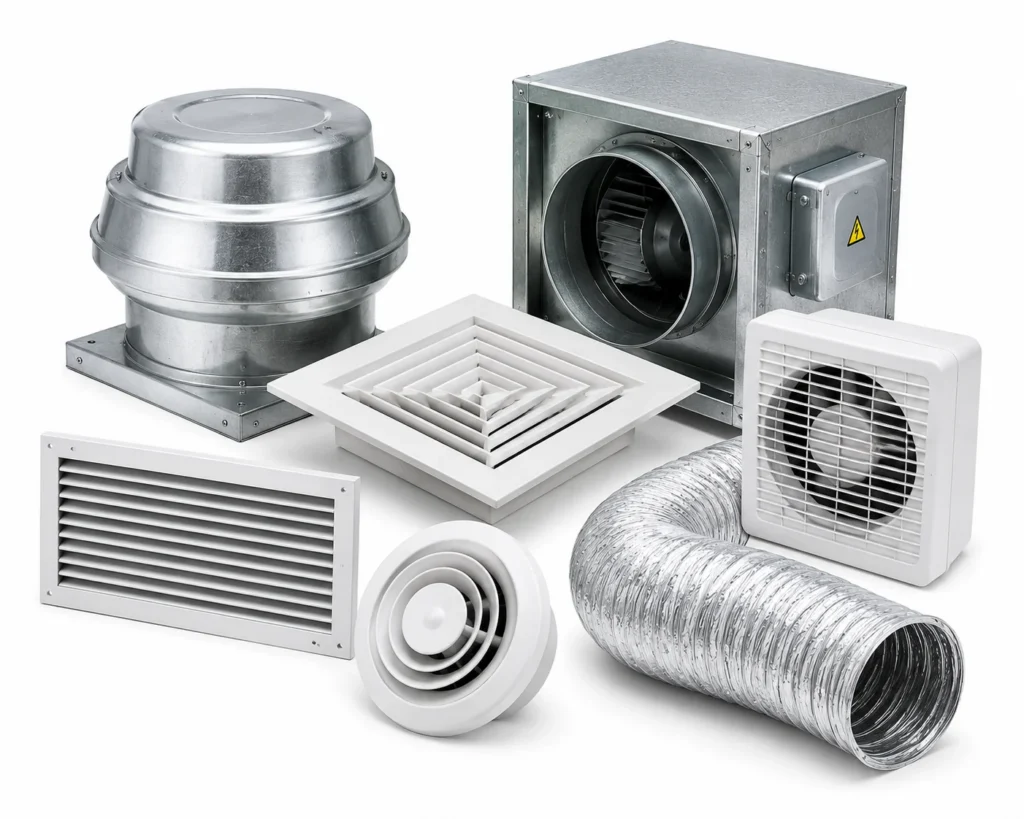
Ventilation fans, ducting and air diffusers

Alert Contacts

The people each alarm reaches, in what order and at what hours.

These are the monitoring problems we correct most often on existing systems:

  • Alarms during every defrost: no delay set, so alerts go out several times a day.
  • Dead sensor batteries: sensors that stopped reporting weeks before anyone noticed.
  • Sensor in the wrong spot: a reading taken at the door or in the coil’s discharge air.
  • Outdated contact list: alerts still going to staff who left months ago.
  • No after-hours contact: an overnight alarm that nobody receives until morning.
  • Power outage not reported: a gateway with no battery backup that goes silent.

Monitoring goes on equipment from True Refrigeration, Master-Bilt, KeepRite, Copeland and other brands we work with. Our clients include grocery stores, restaurants, banquet halls and cold storage facilities.

Unit Count Drives the Cost of Monitoring

A single walk-in at a small business and a supermarket with forty cases are very different installations, so we quote after a site walk. The visit and estimate cost nothing, and the quote names every sensor, the gateway and the alarm setup.

What affects the cost:

  • Number of units and the sensors on each one
  • Sensor types: temperature, door, power or equipment status
  • Signal coverage in basements and walk-in freezers and on rooftops
  • Alarm setup, testing and the contacts for each site

Monitoring does not replace maintenance. It shows when equipment starts to drift, so proactive maintenance can be booked before a unit fails.

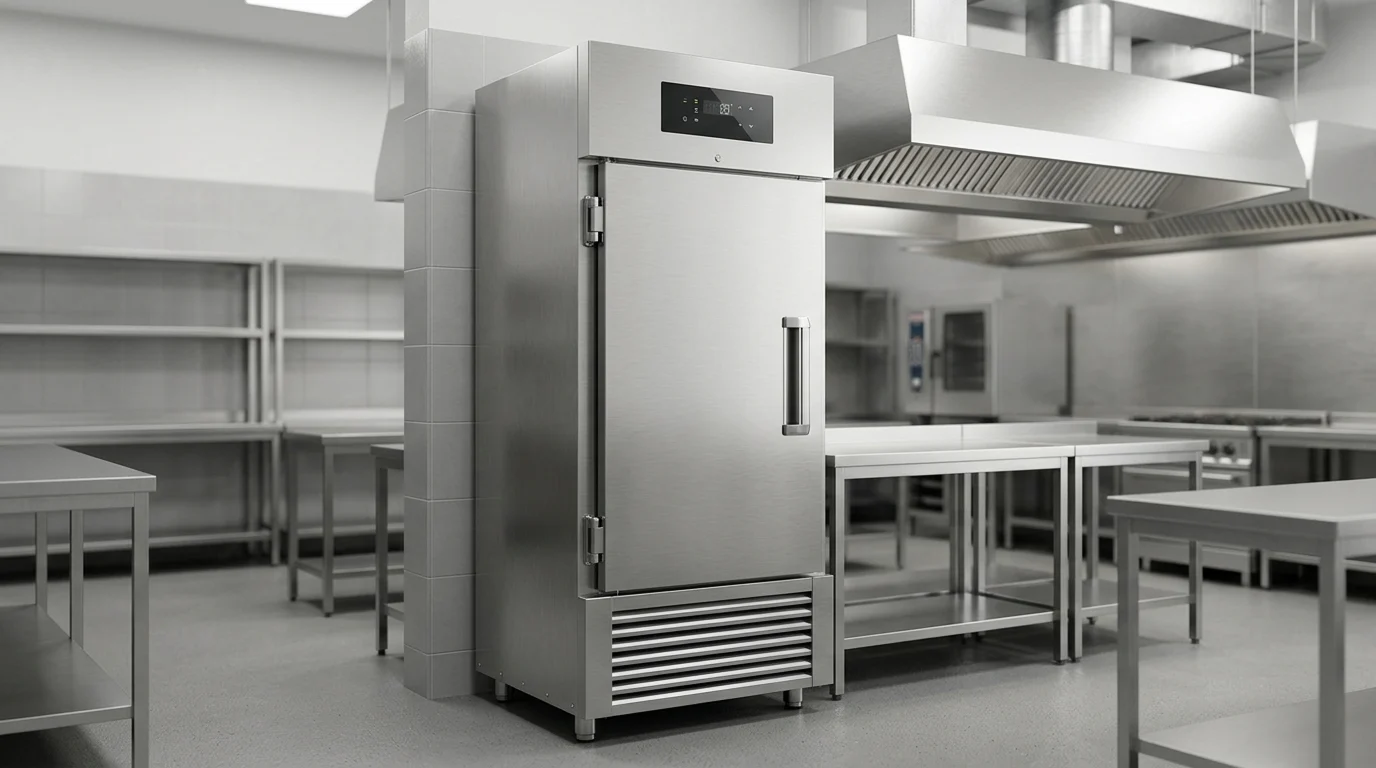
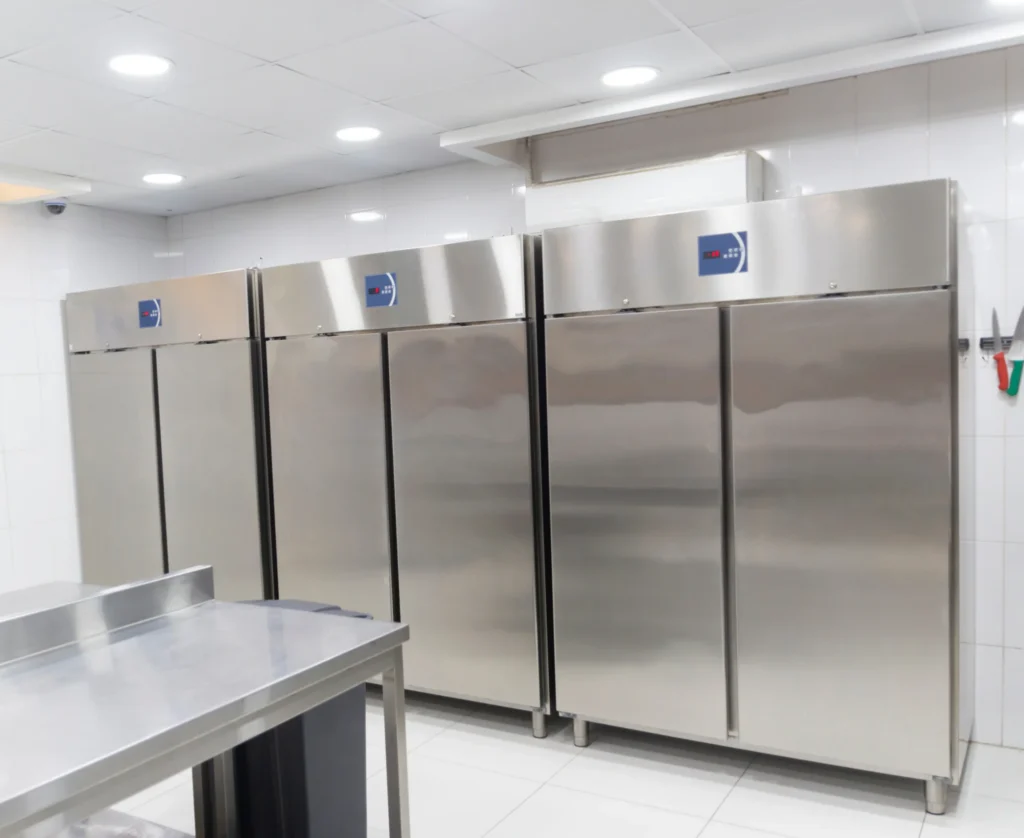
Stainless steel commercial refrigerators in a kitchen

Looking for Parts?

Reach out for expert support, fast sourcing, and competitive pricing.

Months of Readings Help a Technician Find the Fault

A temperature log shows the pattern behind a failure. A box that warms a little more each week usually has a dirty condenser coil or a slow refrigerant leak. A box that warms after every defrost and takes longer each time to recover points to the defrost heater, the drain line or the evaporator fan. A box whose temperature jumps in an hour points to a stopped compressor or a power problem. Our technicians read the history before they open the unit, which shortens diagnostics and helps them bring the right part on the first visit.

Monitoring Services Installed Across Toronto and the GTA
Sites in North York, Thornhill, Richmond Hill, Aurora, Newmarket and across the city get technicians from Cold Fuel’s Concord, Etobicoke, Mississauga and Toronto branches.

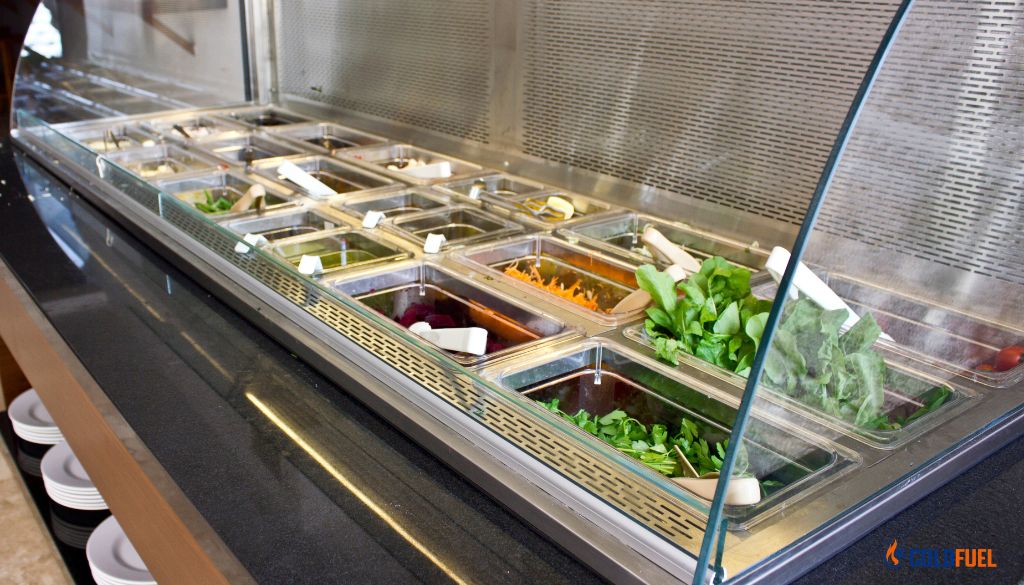
  • Grocery stores and supermarkets: every display case and walk-in on one dashboard.
  • Restaurants and banquet halls: walk-ins and reach-ins alarmed after closing.
  • Cold storage and distribution: rooms watched around the clock with power-loss alerts.
  • Offices and retail: rooftop units checked outside opening hours.
List the Units You Want Watched

Tell us how many walk-ins, cases and rooftop units you have and who should get the alarms, and we’ll book a site walk at no charge.
How Monitoring Goes Into Your Building

Each installation runs through four stages, from the site walk to the first live alarm.

Site Walk

  • Units listed and set temperatures recorded
  • Defrost schedules noted for each unit
  • Signal strength checked at every location
  • Gateway position and power supply chosen

Sensor Installation

  • Sensors mounted away from doors and coil discharge
  • Door switches fitted on walk-ins
  • Current sensors on compressors where needed
  • Gateway power and battery backup confirmed

Alarm Setup

  • Limits based on each unit’s set point
  • Delays matched to defrost cycles
  • Contacts and escalation order entered
  • After-hours numbers confirmed

Testing and Handover

  • Every alarm triggered on purpose
  • Alerts checked on the contact list
  • Staff shown the dashboard and the app
  • Sensor battery type noted for service
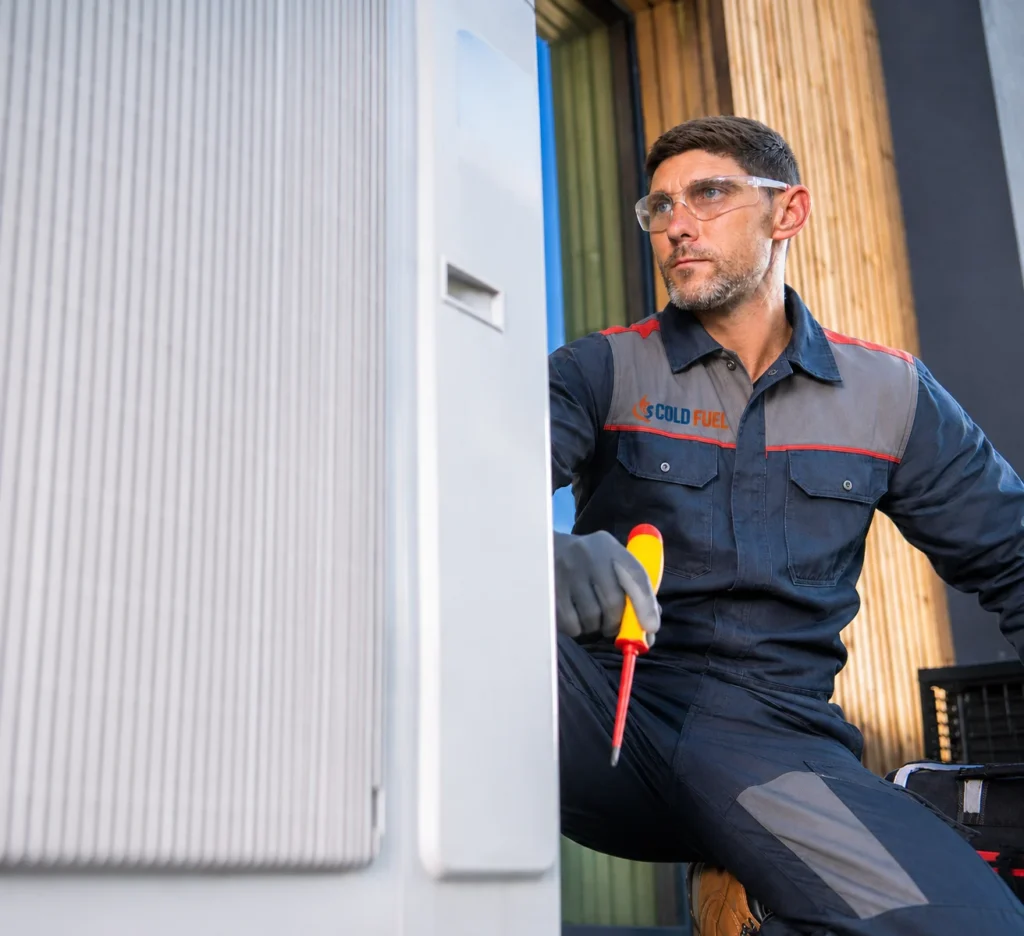
Technician wearing safety glasses servicing equipment
TSSA Level-1 certified technicians Code-compliant refrigeration connections
Trusted by Businesses Across Industries
Restaurants Bars Bakery Catering Supermarkets Grocery Stores Warehouses Hotels

Frequently Asked Questions

A gateway with battery backup and a cellular connection keeps reporting and sends a power-loss alarm. Without a battery, the system goes silent until power returns, which is why we recommend backup on every gateway.

Our Service Areas